
Could This Be Kitakyushu’s Moment? AI, Everyday Life, and a City’s Hidden Strengths
This article may contain product promotions.
Information is as of publication and may be outdated.
“Could Kitakyushu’s moment be coming?”
When people talk about what’s happening in Fukuoka, Tenjin and Hakata tend to get the attention. New buildings, new shops, busy streets. There are plenty of reminders of Fukuoka City’s momentum.
But the more I read about Kitakyushu, the more interesting it gets. I started with AI and found myself following connections to factories, ports, homes, and even fish.
What catches my attention is the feeling that the times are catching up with strengths Kitakyushu has had for years.
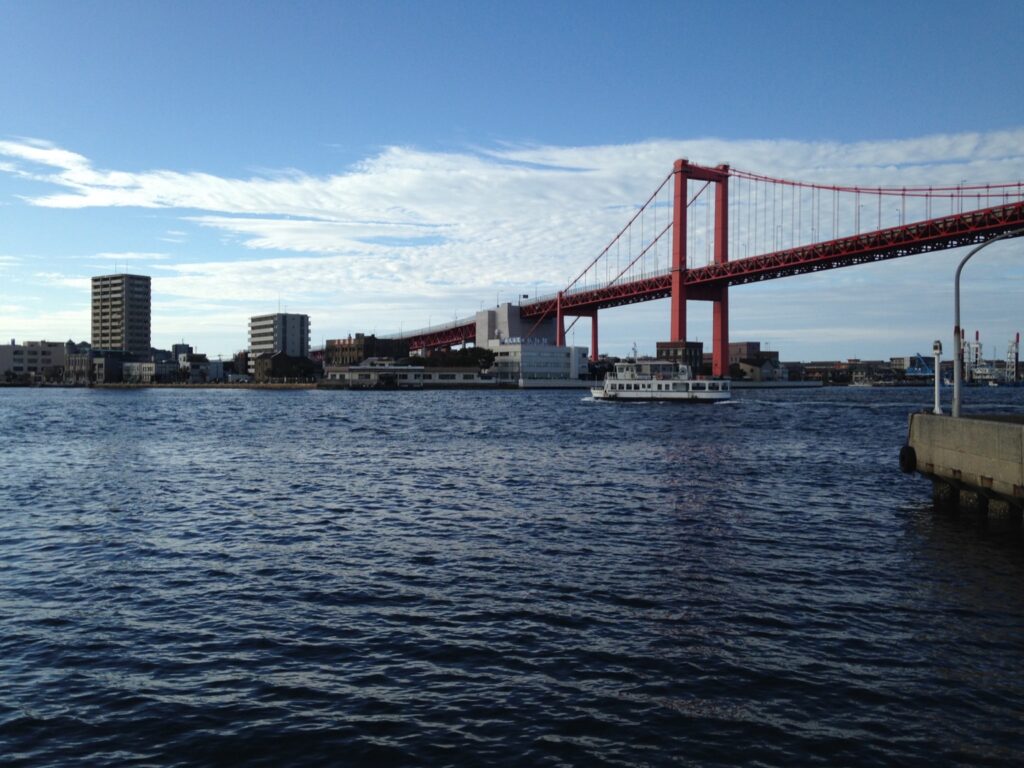
Photo: そらみみ (Soramimi) / Source: Wikimedia Commons / CC BY-SA 4.0 (resized only)
As AI starts to control robots, Kitakyushu gets interesting
AI that writes or creates pictures has become familiar. Now think of it picking something up, carrying it, or moving while watching its surroundings. This is the idea behind “Physical AI”: AI that can act in the physical world.
AI uses cameras and sensors to make decisions and move a robot. That immediately brings one Kitakyushu company to mind: Yaskawa Electric, one of the world’s leading industrial robot makers.
In July 2026, Yaskawa Electric and SoftBank, with support from NVIDIA, announced a demonstration of robots handling soft objects that change shape. These included wire harnesses: bundles of electrical wires. Seeing and grasping something that looks different each time is a real challenge, even when it seems effortless to us.
When I hear that AI will change the world, I sometimes picture huge tech companies far away. Yet part of that story leads to a company based in Kitakyushu. I think that deserves a closer look.
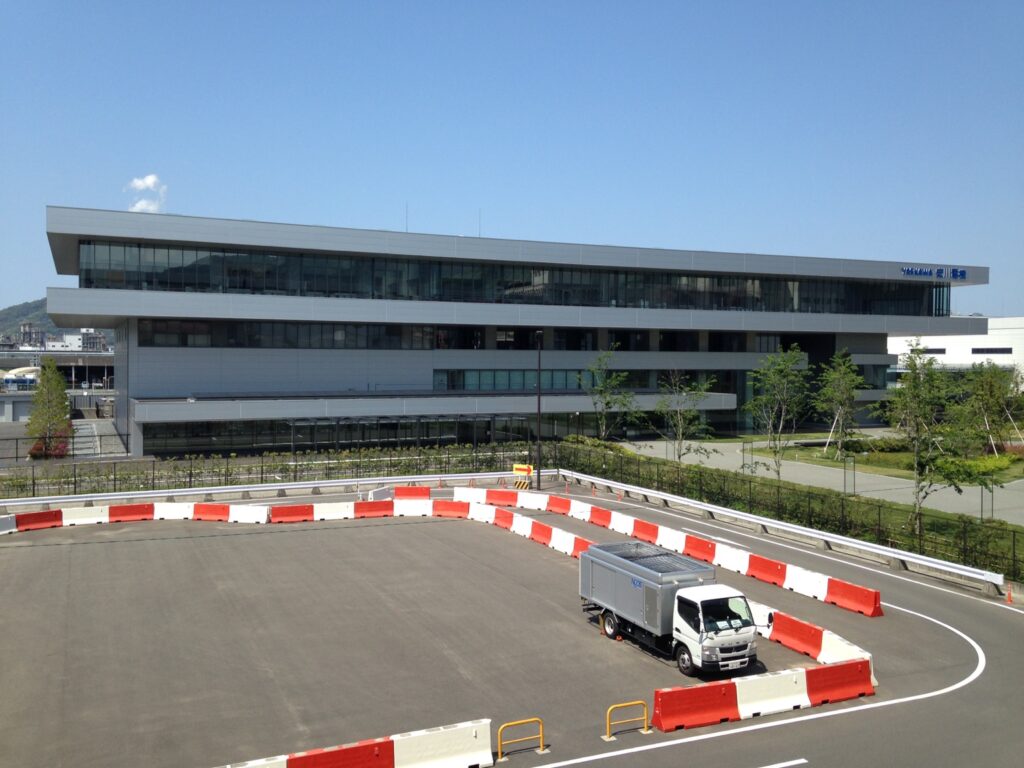
Photo: そらみみ (Soramimi) / Source: Wikimedia Commons / CC BY-SA 4.0 (resized only)
The experience behind the “city of steel” matters
Even handling flexible wires takes research. In a working factory, objects change position and people move around. Having somewhere to test a robot, listen to the people using it, and make improvements seems a real advantage.
Kitakyushu has manufacturers, factories, logistics sites, universities, and research institutions. A robotics industry development program involving Yaskawa Electric, Kyushu Institute of Technology, and others has continued since fiscal 2018. The city has built up knowledge, including the experience of people who have worked here for years.
The city is already taking action. On August 21, 2026, it adopted a strategy for a city where people and Physical AI work together. The plan draws on its manufacturing and robotics industries, research institutions, and places where new technology can be tested in practice.
There are people who build robots, people who study them, and workplaces that need them. Having them close together gives me hope. In the AI era, a familiar industrial city starts to look especially well placed.
Making things is one strength. Moving them is another
Roads and ports are part of Kitakyushu’s appeal, too. Urban expressways connect major areas, while the waterfront has container terminals and the Shin-Moji ferry terminals. The city’s transport network brings road and sea routes together.
Work is also underway to keep those expressways in use for years to come. Routes 1–3 are undergoing major repairs over the ten fiscal years from 2022 to 2031. Aging roads need attention, and maintaining the routes that support local industry matters for the city’s future.
Then there is Kitakyushu Airport, which operates 24 hours a day. Its runway is being extended from 2,500 to 3,000 meters, with the longer runway scheduled to open at the end of August 2027. I’m interested to see what that means for larger cargo aircraft.
Once a factory makes something, how does it reach its destination? How do people and materials get around? AI makes the headlines, but it also needs this kind of everyday support.
Joining Fukuoka City in a “secondary capital” proposal
Kitakyushu is also part of the discussion about a “secondary capital.” On October 5, 2026, the governor of Fukuoka Prefecture and the mayors of Fukuoka and Kitakyushu submitted a request to the national government for Fukuoka Prefecture to take on that role. They are still seeking designation; it has not been granted.
This news made me think there is more to Fukuoka City and Kitakyushu than ranking one above the other. Fukuoka City attracts people and commerce; Kitakyushu has depth in manufacturing and logistics. Combining those strengths could be interesting for the whole prefecture.
How much will society need the work and technology found here in the years ahead? That is what I want to watch when I think about Kitakyushu’s future.
For anyone thinking about a home, the land-price gap stands out
The future of industry is interesting, but housing is a more immediate concern for people living here. Even with a job, it is hard to enjoy daily life if your home takes up too much of your budget.
In the land-price survey dated July 1, 2026, average residential land prices were ¥63,400 per square meter in Kitakyushu and ¥230,800 in Fukuoka City. Put side by side, the figures from the same survey show quite a gap.
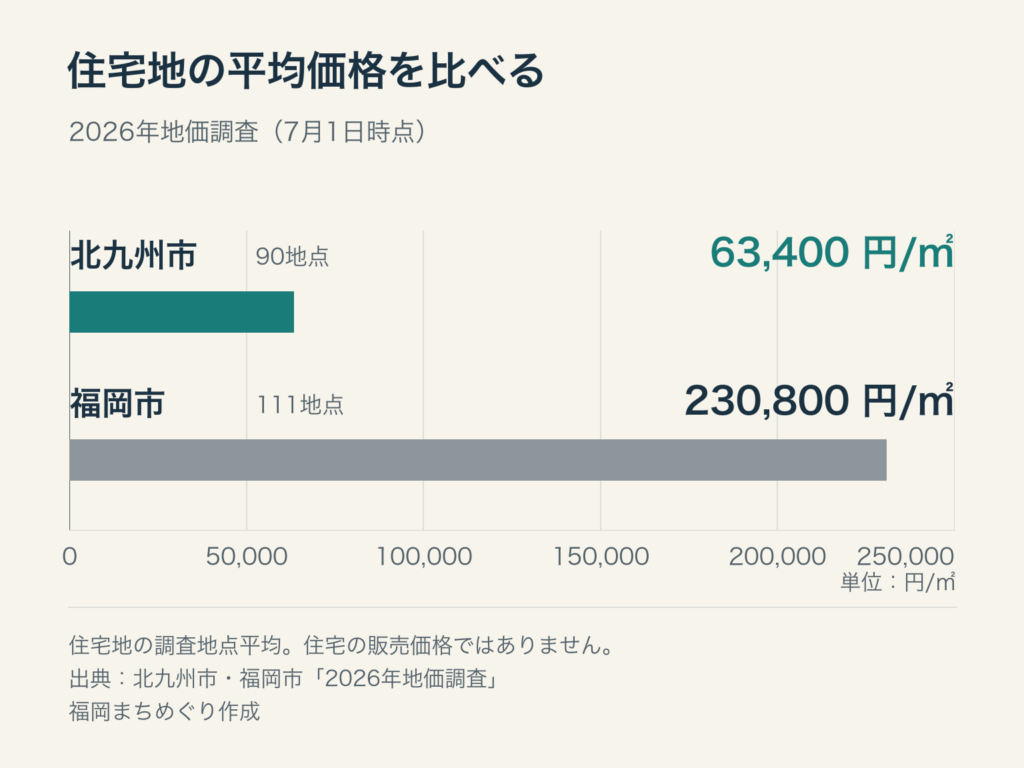
Chart: Fukuoka Machimeguri / Sources: Kitakyushu land-price survey / Fukuoka City land-price survey
These are averages for the sites surveyed in each city. They are not prices for complete homes, and factors such as distance from a station and property size also matter. Still, they could be a reason to include Kitakyushu in a search for somewhere to live.
An extra room. Space to work at home. A little less spent on housing each month, leaving more for things you enjoy. The possibility of having more choices in everyday life is a strong reason to consider a city.
Even a conversation about the future comes back to fish
And if we are talking about Kitakyushu, I want to talk about food. Especially fish.
The Hibikinada Sea, Kanmon Strait, and Buzen Sea give Kitakyushu a variety of coastal environments. Rocky shores, seaweed beds, and tidal flats support many kinds of fish and shellfish. An industrial city with rich fishing grounds close by: that is a combination I like.
One set of figures made me smile. In Japan’s Family Income and Expenditure Survey, Kitakyushu ranked first among the 52 cities compared for both spending on and quantities purchased of assorted sashimi (a selection of sliced raw fish). These are annual figures per household with two or more people, averaged over 2023–2025. The data offers a glimpse of a city where sashimi platters have a place at the table.
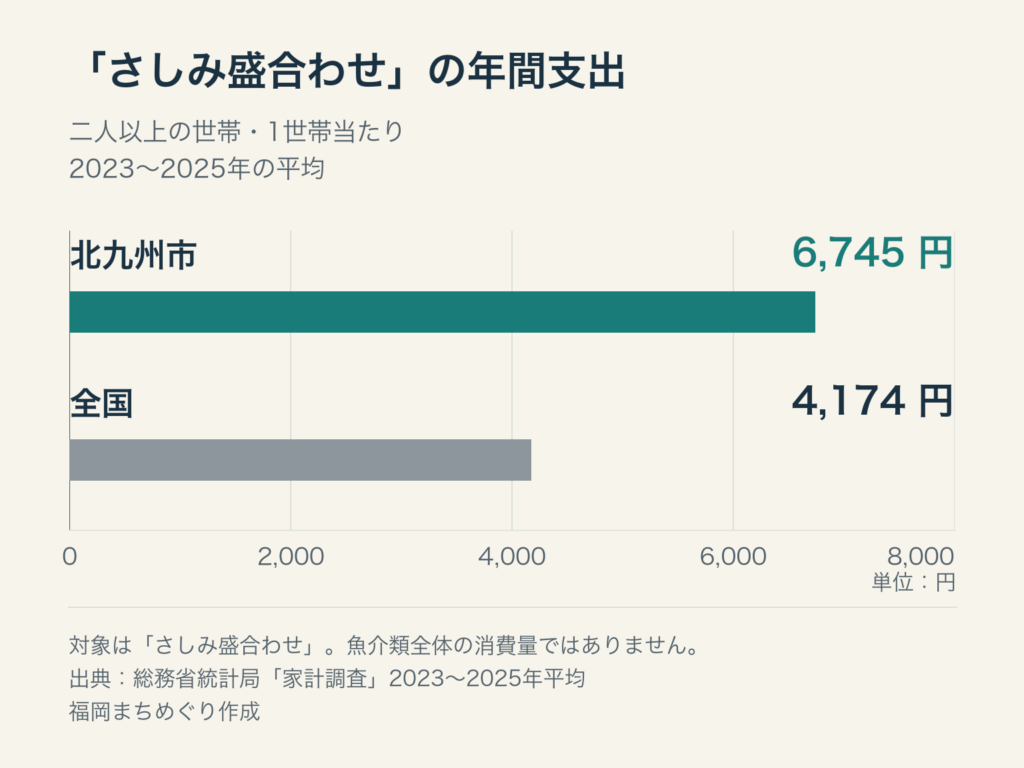
Chart: Fukuoka Machimeguri / Source: Statistics Bureau of Japan, Family Income and Expenditure Survey
City hall even has a division dedicated to promoting Kitakyushu as a city of sushi. That shows how much effort is going into making fish and sushi part of the city’s identity. As someone who enjoys good food, I’m interested.
New industries grow, and more people find work in them. After work, those people can sit down to a good dinner. When I imagine Kitakyushu’s future, I like to think all the way through to that part of the day.
I’m hopeful, and I want to see what changes for jobs and daily life
Of course, investing in AI will not solve every problem at once. Labor shortages, an aging population, and infrastructure maintenance are among the reasons the city is looking to Physical AI in the first place.
There are small changes in migration, too. The city says that in 2025, 443 more people moved in than moved out, making it the second consecutive year of net inward migration. That measures people moving, though. It does not mean the total population, including births and deaths, increased.
What I want to see next is more jobs people want to do here, a future for young people learning technical skills, and changes that reach the people living in the city. Local businesses and shops interest me just as much as news about a new robot.
I’m looking forward to what comes next for Kitakyushu
Years of making things. Ports and roads. People who have kept doing research. Housing choices and good fish. Look at what Kitakyushu already has, and there is plenty to build a future on.
Most of all, I want to see how its manufacturing experience will help as AI starts working in real places. That is the part I’m most excited about.
“Could Kitakyushu’s moment be coming?”
Talking about that over some good fish in Kitakyushu sounds like a fine idea for my next outing.
Information is current as of October 25, 2026. Views about the future are the author’s reflections based on publicly available sources.
